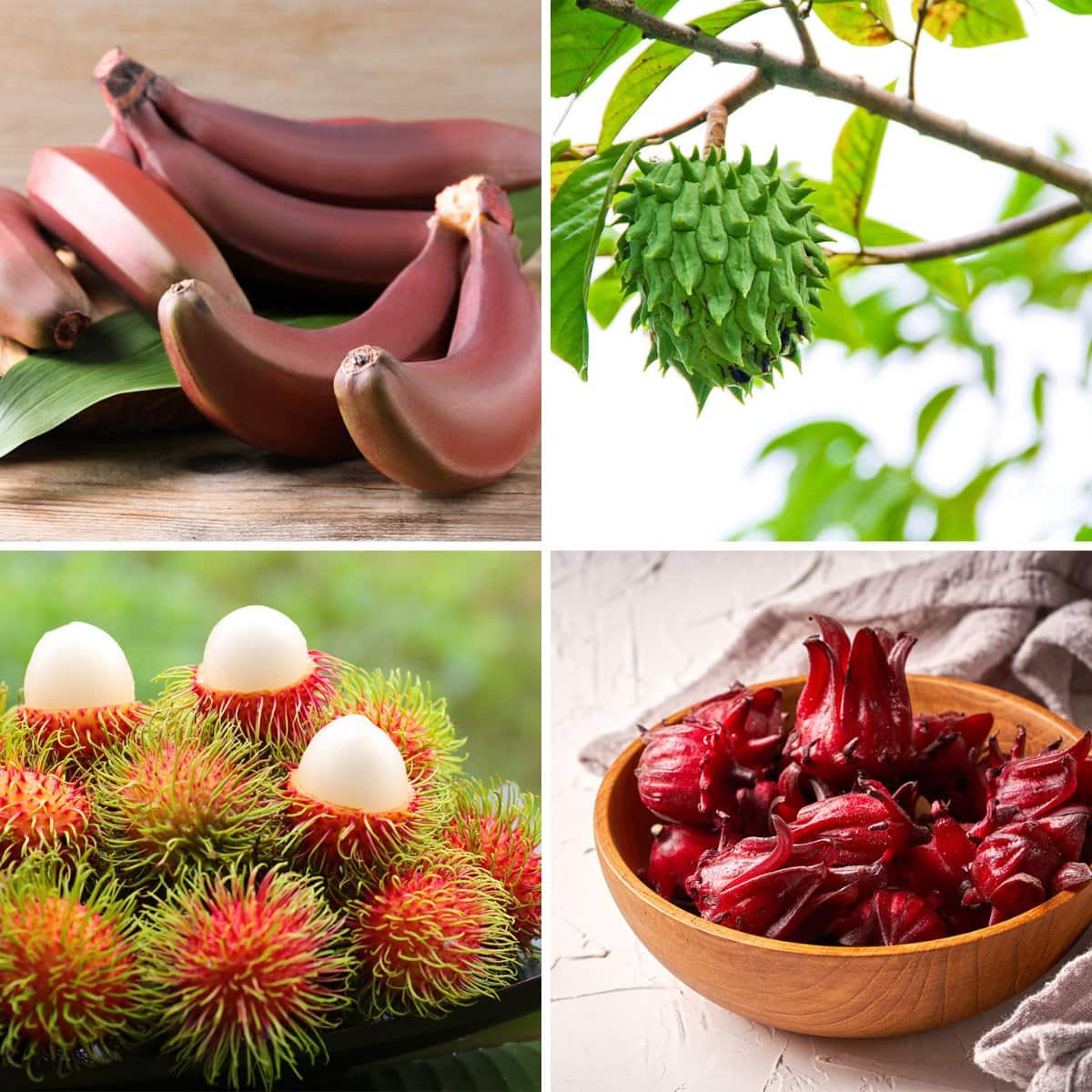
Welcome back to our continuing exploration of the fascinating world of edibles! In this second installment, we delve deeper into the vibrant and varied category of fruits that start with R. From familiar favorites that grace our breakfast bowls to exotic wonders that intrigue the adventurous palate, the 'R' section of the fruit kingdom is surprisingly rich and diverse. Whether you're a culinary enthusiast, a health-conscious consumer, or simply curious about the bounty of nature, understanding these fruits can open up a world of flavor, nutrition, and even gardening possibilities. Join us as we uncover more about these remarkable fruits, exploring their unique characteristics, health benefits, and how you can incorporate them into your diet. For an even broader look at this exciting category, be sure to check out fruits that start with r - Article 1.
Beyond the Common: Unveiling More Popular R-Fruits
While raspberries and rambutans often come to mind when considering fruits that start with R, there's a wider spectrum of delightful options. This section highlights a few more widely recognized or increasingly popular 'R' fruits, offering insights into their appeal and practical uses.
Redcurrants: Tart Berries with a Punch
Redcurrants (Ribes rubrum) are small, glossy, bright red berries that grow in clusters. Known for their distinct tart flavor, they are often used in jams, jellies, pies, and sauces rather than eaten raw in large quantities, though a handful can be a refreshing treat. These beautiful berries are rich in Vitamin C, antioxidants, and dietary fiber. Their pectin content makes them excellent for setting preserves, and their vibrant color adds aesthetic appeal to any dish. Redcurrants are also used to make a classic French liqueur called crème de cassis, showcasing their versatility in both sweet and alcoholic preparations.
- Nutritional Highlight: High in Vitamin C, potassium, and antioxidants.
- Culinary Tip: Combine redcurrants with sweeter fruits like apples or peaches in crumbles to balance their tartness. They also make a fantastic glaze for savory meats.
Rose Apples (Jambu Air): A Crisp, Refreshing Treat
The Rose Apple, also known as water apple or simply "Jambu Air" in Southeast Asia, is a unique fruit (Syzygium jambos or Syzygium aquem for water apple). It’s not actually an apple, but a bell-shaped fruit with a waxy skin, ranging in color from pale green to pinkish-red. Its flesh is crisp, watery, and mildly sweet with a subtle rose-like aroma and flavor – hence the name. Rose apples are incredibly refreshing, especially when chilled. They are low in calories and provide a good source of hydration, making them a perfect snack in tropical climates. While some varieties are sweeter, others can be slightly tart, often enjoyed with a pinch of salt or a spicy dip.
- Fun Fact: Despite the name, they are botanically closer to guava and eucalyptus than to true apples.
- Enjoyment Tip: Slice them into salads for a refreshing crunch or simply enjoy them fresh to appreciate their unique aroma.
Delving into Exotic and Lesser-Known R-Fruits
For those eager to expand their fruit horizons, the world offers a fascinating array of exotic fruits that start with R. These lesser-known varieties often boast intriguing flavors, textures, and health benefits that are worth discovering.
Ramontchi (Flacourtia ramontchi): The African Plum
The Ramontchi, sometimes called Governor's Plum or Batoko Plum, is a small, round fruit native to parts of Africa and Asia. These fruits grow on a thorny tree and ripen from green to a deep red or purplish-black. The taste varies from sweet to tart, often described as a blend between a plum and a cranberry, with a slightly acidic finish. Ramontchi is highly regarded for its nutritional profile, being rich in Vitamin C, iron, and antioxidants. Traditionally, it's eaten fresh, made into jams, jellies, or used in fermented beverages. Its somewhat obscure status belies its potential as a valuable, nutrient-dense fruit.
- Did You Know? The tree itself is hardy and drought-resistant, making it a valuable plant in challenging environments.
- Exploration Tip: If you find these in specialty markets, try them in a compote to sweeten them slightly and bring out their unique flavor.
Rollinia (Rollinia deliciosa): The "Lemon Meringue Pie" Fruit
Known affectionately as the "Lemon Meringue Pie Fruit," Rollinia is a tropical fruit native to South America. It belongs to the Annonaceae family, making it a cousin to cherimoya and soursop. The fruit is round to heart-shaped with soft, spiky protrusions on its yellow skin. Inside, the creamy, translucent white pulp is incredibly sweet and juicy, often described as having flavors reminiscent of lemon meringue pie, custard, or even marshmallow. It's a truly decadent and unique tropical treat, best eaten fresh with a spoon. Rollinia is a good source of vitamins, particularly Vitamin C, and minerals like phosphorus.
- Flavor Profile: Creamy, sweet, and custardy with citrusy notes.
- Consumption Advice: Look for fruits that are slightly soft to the touch, indicating ripeness. Enjoy it chilled for the best experience.
Nutritional Powerhouses and Culinary Versatility of R-Fruits
Beyond their unique tastes and appearances, many fruits that start with R offer significant health benefits and culinary versatility. Integrating these fruits into your diet can enhance your well-being and add exciting dimensions to your meals.
Boosting Your Health with R-Fruits
The 'R' fruits, as a group, are often rich in essential nutrients. Raspberries, for instance, are superstars of fiber and antioxidants, crucial for digestive health and combating oxidative stress. Redcurrants provide a potent dose of Vitamin C, vital for immune function and skin health. Even the more exotic Ramontchi offers a good source of iron, important for energy and blood production. Many of these fruits also contain various phytonutrients, which are plant compounds known for their anti-inflammatory and disease-preventing properties. Regularly consuming a variety of fruits, including those beginning with 'R', contributes significantly to a balanced and healthy diet.
- Antioxidant Riches: Fruits like raspberries and redcurrants are packed with antioxidants like anthocyanins, which protect cells from damage.
- Fiber Facts: High fiber content in many R-fruits aids digestion, promotes satiety, and helps regulate blood sugar levels.
Creative Ways to Enjoy R-Fruits
The culinary applications of fruits that start with R are incredibly diverse. For Raspberries: Enjoy them fresh in cereals, yogurts, smoothies, or bake them into muffins and tarts. A classic raspberry vinaigrette adds a gourmet touch to salads. For Redcurrants: Their tartness makes them ideal for making vibrant jellies, sauces for roasted meats, or adding a zing to fruit salads. For Rose Apples: Their crisp texture makes them perfect for adding to Asian-inspired salads, fruit platters, or simply enjoyed as a hydrating snack. For more adventurous fruits like Rollinia: Best enjoyed fresh as a dessert due to its unique custard-like consistency and flavor. The key is to experiment and let the fruit's natural characteristics guide your creativity.
Don't be afraid to step outside your comfort zone. The journey of discovering new fruits can lead to delightful culinary experiences and a broader appreciation for nature's bounty.
Growing Your Own R-Fruits: Tips for the Home Gardener
For those with a green thumb, cultivating your own fruits that start with R can be a rewarding endeavor. While some, like Rollinia, require specific tropical climates, others, such as raspberries and redcurrants, are quite adaptable to temperate zones.
Raspberries and Redcurrants
Both raspberries and redcurrants are relatively easy to grow in many home gardens. They prefer full sun to partial shade and well-drained, fertile soil.
- Planting: Plant bare-root canes in spring or container-grown plants throughout the growing season.
- Support: Raspberries often benefit from trellising or stakes to support their canes. Redcurrants can be grown as bushes or trained as cordons.
- Pruning: Regular pruning is essential for good fruit production and plant health. For raspberries, prune out old fruiting canes after harvest. For redcurrants, prune to maintain an open structure.
- Pest Control: Keep an eye out for common pests like aphids and fruitworms. Organic pest control methods are often effective.
Rose Apples and Ramontchi
These require warmer, often tropical or subtropical climates.
- Climate: Ensure your climate provides consistent warmth and sufficient humidity.
- Soil: They generally prefer rich, well-drained soil.
- Watering: Consistent watering, especially during dry periods and fruit development, is crucial.
Before attempting to grow exotic varieties, research their specific climate and soil requirements to ensure success. Growing your own fruits not only provides fresh, organic produce but also connects you more deeply with the food you eat.
Our journey through the world of fruits that start with R continues to reveal a spectrum of flavors, textures, and health benefits. From the familiar tartness of redcurrants to the exotic creaminess of rollinia, these fruits offer delightful culinary adventures and significant nutritional contributions. By incorporating a diverse range of fruits into your diet, you not only tantalize your taste buds but also nourish your body with essential vitamins, minerals, and antioxidants. Keep exploring, keep tasting, and don't hesitate to broaden your fruit horizons. To discover even more unique fruits and their benefits, make sure to check out fruits that start with r - Article 3 in this series!
